
Finding your septic tank doesn’t have to be a daunting task. Follow these five simple steps on how to find your septic tank quickly and easily to ensure your system is running smoothly.
Owning a home comes with a myriad of responsibilities, and one of the most crucial yet often overlooked aspects is knowing the location of your septic tank. Understanding where your septic tank is situated on your property is not just about convenience; it’s essential for the maintenance and longevity of your septic system.
Common Signs of Septic Tank Presence
A septic system is typically hidden underground, making it challenging to locate without some visual or physical clues. However, there are several common signs that can indicate the presence of a septic tank on your property.
- One of the most evident signs is the presence of a slightly raised mound or depression in your yard. This mound or dip is often the result of the soil settling over the buried tank. Additionally, you may notice an area of your lawn that remains greener or grows more rapidly than the surrounding grass. This can be due to the nutrients from the septic system providing extra fertilization to that part of your yard.
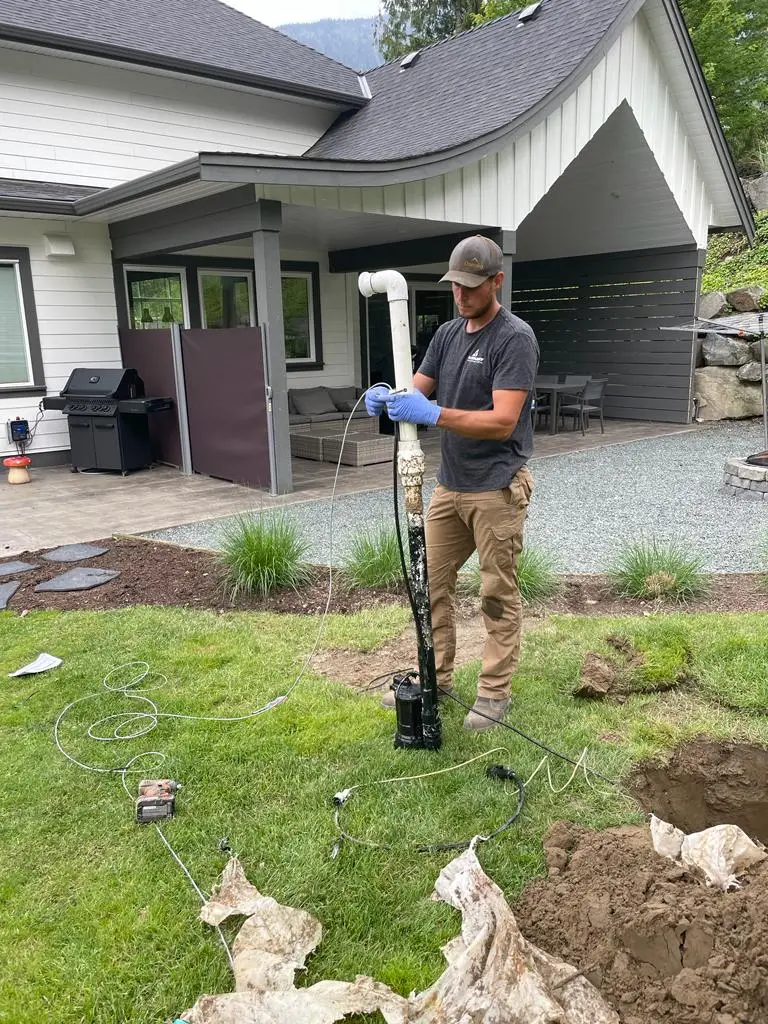
- Another sign to look for is the presence of vent pipes or cleanout pipes protruding from the ground. These pipes are part of the septic system’s infrastructure and are usually located near the tank or along the sewer line leading to the tank. The vent pipes help release gases from the tank, while the cleanout pipes provide access points for maintenance and inspection. If you spot these pipes in your yard, it’s a strong indication that a septic tank is nearby.
- In some cases, you may also detect an unusual odor in certain areas of your yard. This odor is often described as a musty or sewage-like smell and can be more noticeable after heavy rain or when the ground is saturated. The smell can be an indicator of a malfunctioning or full septic tank, which requires immediate attention. By being aware of these common signs, you can better identify the potential location of your septic tank and take the necessary steps to locate and maintain it properly.
Tools You’ll Need to Find Your Septic Tank
Locating your septic tank can be a straightforward task if you have the right tools and equipment. One of the most useful tools for this job is a soil probe, a slender rod designed to penetrate the ground. By inserting the probe into the ground in the suspected area, you can determine the tank’s location based on the resistance you encounter.
Another valuable tool is a septic tank locator device, which uses electronic signals to detect the presence of the tank. These devices are often used by professionals and can provide accurate results with minimal effort. The locator device usually consists of a transmitter and a receiver. The transmitter sends a signal into the ground, and the receiver detects the signal’s reflection from the tank. This method is particularly useful if you have a large property or if the tank is buried deep underground.
In addition to these specialized tools, you may also need some basic gardening equipment, such as a shovel or digging tool, to help uncover the tank once you have pinpointed its location. It’s also helpful to have a measuring tape or ruler on hand to measure distances and ensure accuracy. By having the right tools you can make the process of locating your septic tank much more efficient.
Step 1: Check Your Property Records
The first step in how to find your septic tank is to check your property records. These records often include a site plan of your property, which can provide valuable information about the location of your septic system. Property records can typically be obtained from your local health department, building department, or county records office. If you are unsure where to start, a quick phone call to any of these offices can point you in the right direction.
When reviewing your property records, look for any diagrams that indicate the location of the septic tank and the associated components like sewer lines. The documents may include measurements from fixed points on your property, like the house, driveway, or property boundaries. By cross-referencing this information with your property’s layout, you can narrow down the potential location of the septic tank.
In some cases, you may find that your property records do not include detailed information about the septic system. This can be common in older homes or properties that have changed ownership multiple times. If this is the case, don’t be discouraged. There are still other methods you can use to locate your septic tank:
Step 2: Look for Access Points and Cleanouts
The next step in locating your septic tank is to look for access points and cleanouts on your property. These are essential components of the septic system and can provide valuable clues about the tank’s location. Access points are typically located above ground and may include manhole covers, risers, or inspection ports. These features allow for easy access to the septic tank for maintenance and inspection purposes.
Start by walking around your property and visually inspecting the area for any signs of access points. Pay close attention to areas near your house, as the septic tank is usually located within a short distance. Look for any circular or rectangular covers that may be partially buried or concealed by grass or landscaping. If you find any access points, use your soil probe to confirm the presence of the tank beneath the cover.
In addition to access points, you should also look for cleanout pipes. They are vertical pipes that provide access to the sewer line for cleaning and maintenance. Cleanout pipes are often capped and can be found near the foundation of your house or along the sewer line leading to the septic tank. By locating these cleanout pipes, you can trace the path of the line and identify the approximate location of the tank.
Step 3: Use a Soil Probe or Locator Device
Once you have gathered information from your property records use a soil probe or locator device to pinpoint the exact location of your septic tank. A soil probe is a long, slender rod that can be inserted into the ground to detect solid objects. This tool is most useful if you have a general idea of the tank’s location but need to confirm its precise position.
To use the soil probe, start by inserting it into the ground in the suspected area of the septic tank. Apply steady pressure as you push the probe down, and pay attention to any resistance you encounter. If you feel a hard surface or obstruction, you may have located the tank lid. Move the probe around the area to determine the tank’s dimensions and confirm its location. Be sure to mark the spot with a flag or stake for easy reference.
If you prefer a more advanced method, you can use a locator device to detect the tank. These devices are often used by professionals and can provide accurate results with minimal effort. The locator device typically consists of a transmitter and a receiver. The transmitter sends a signal into the ground, and the receiver detects the signal’s reflection from the tank. This method is particularly useful if you have a large property or if the tank is buried deep underground. By using a soil probe, you can determine the exact location of your septic tank .
Step 4: Follow the Pipes from Your Home
Another effective method for locating your septic tank is to follow the pipes from your home. The sewer line from your house to the septic tank can lead you directly to the tank. Start by identifying the main sewer line exit point from your home. This is usually located in the crawl space and is where all the wastewater from your home flows into the sewer line.
Once you have identified the sewer line exit point, follow the pipe as it runs underground towards the septic tank. The pipe is typically made of PVC, cast iron, or another durable material. Use your soil probe to periodically check the ground along the pipe’s route for any signs of the septic tank.
As you trace the sewer line, keep in mind that the septic tank is usually located within a certain distance from the house, often between 10 and 25 feet. If you encounter any obstacles or lose track of the pipe, use a combination of your property records, access points, and soil probe to help you stay on course. By methodically following the pipes from your home, you can accurately locate your septic tank and ensure that it is properly maintained.
Step 5: Consult with Professionals if Necessary
If you have exhausted all the previous steps and still cannot locate your septic tank, it may be time to consult a professional.
Look for a licensed ROWP with a good reputation in your area. They can perform routine inspections, pumping, and repairs, ensuring that your septic system remains in good working order. By consulting with professionals, you’ll have peace of mind knowing that your septic system is being properly managed and maintained.
Conclusion: Ensuring the Health of Your Septic System
Locating your septic tank is a crucial aspect of responsible homeownership that can save you time, money, and stress. By following the five simple steps outlined in this article—checking your property records, looking for access points and cleanouts, using a soil probe or locator device, following the pipes from your home, and consulting with professionals if necessary—you can easily and accurately locate your septic tank.
Remember, a well-maintained septic system is an investment in your home’s value and your family’s health. Stay informed, be proactive, and don’t hesitate to seek professional help when needed. With the right knowledge and tools, you can keep your septic system running smoothly for years to come.
If you need help finding your septic tank, call Herman at 604-795-0601 or visit this link to learn more about repairing your septic system.