
Septic beds are vital for your home’s waste management. This guide will help you understand their function and maintenance.
What is a Septic Bed?
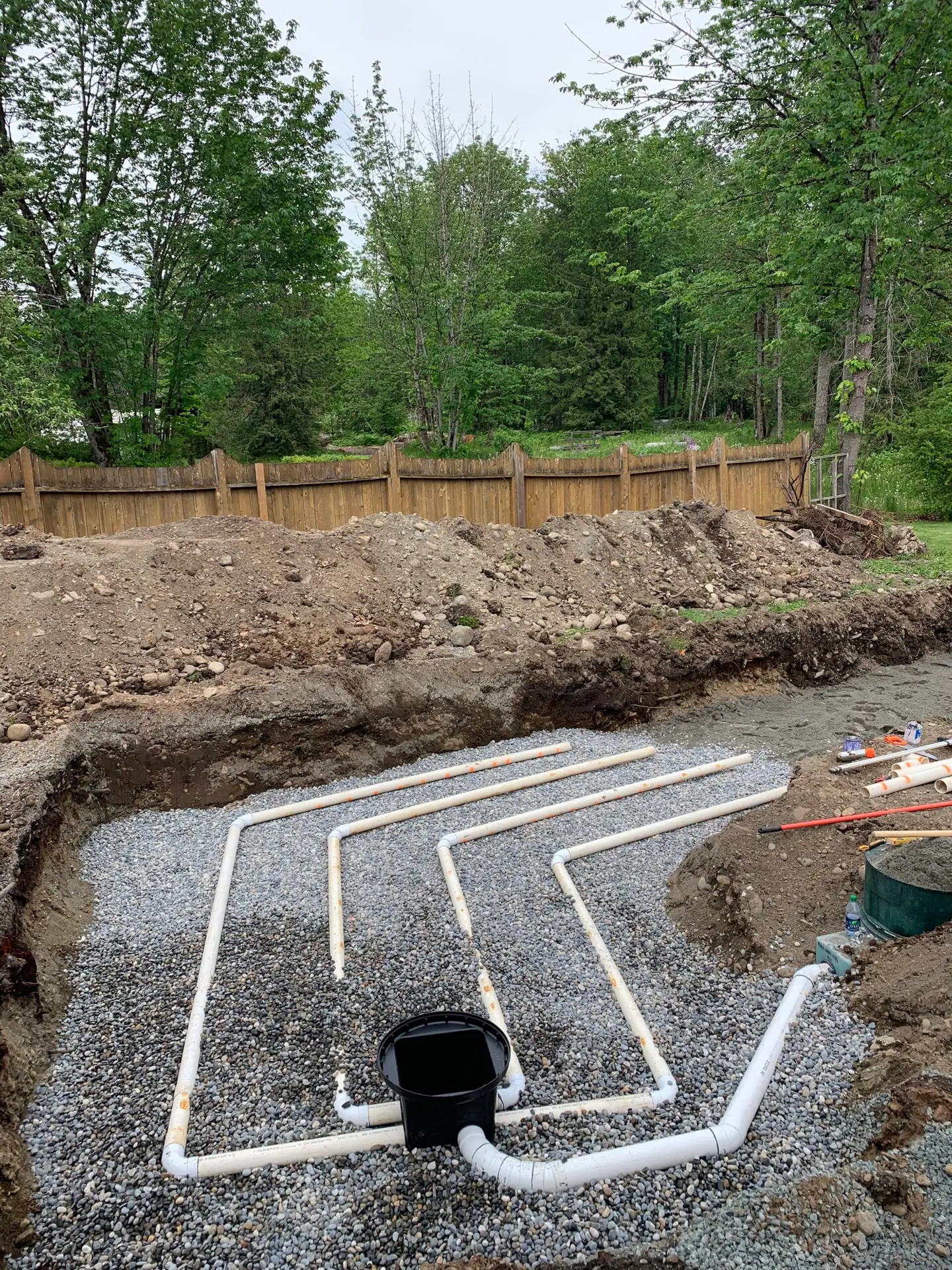
A septic bed, also known as a drain field or leach field, is a critical component of a septic system. Its primary role is to filter and disperse the liquid waste, known as effluent, that comes from the septic tank. The septic bed consists of a series of trenches filled with gravel, which allow the effluent to percolate into the soil. The soil itself acts as a natural filter, removing harmful bacteria, viruses, and other pollutants from the wastewater before it reaches groundwater sources.
The design and size of a septic bed can vary depending on the soil type, size of the household, and local regulations. Generally, septic beds are designed to handle a specific volume of wastewater per day, which is determined based on the expected water usage of the home. Proper sizing and installation are crucial for the effective operation of a bed.
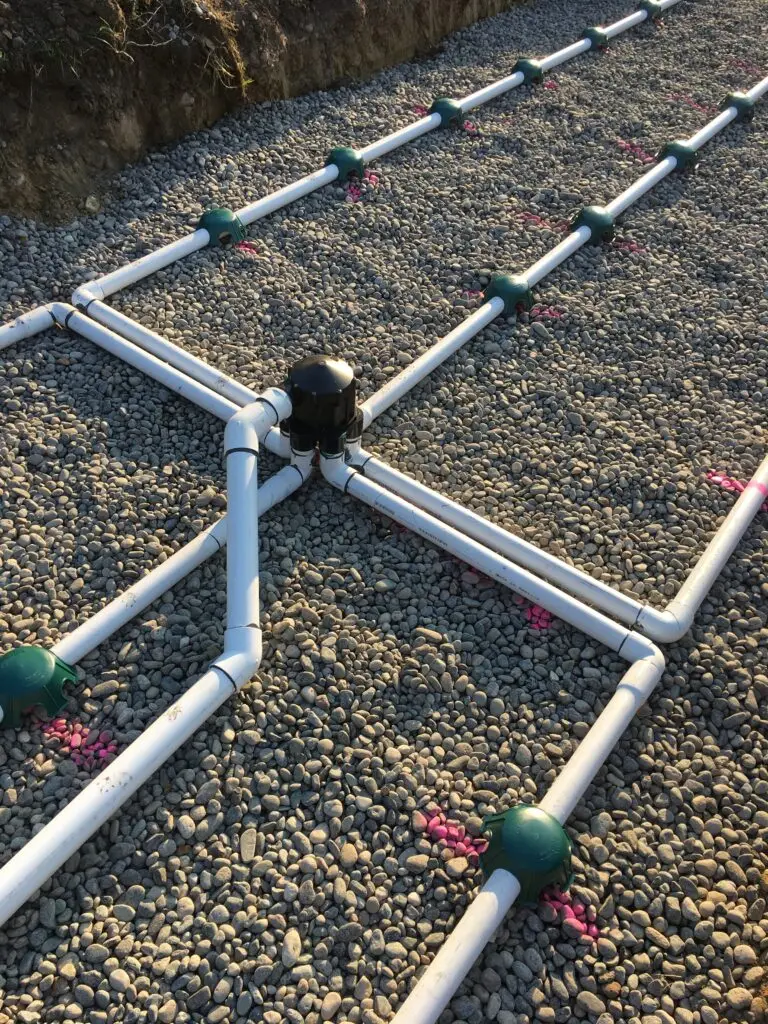
In addition to the trenches and gravel, septic beds may also include distribution boxes and perforated pipes. These components help to evenly distribute the effluent, ensuring that all parts of the soil receive an equal load of wastewater. This even distribution is essential for preventing overloading and ensuring the long-term effectiveness of the septic bed.
How Septic Beds Work
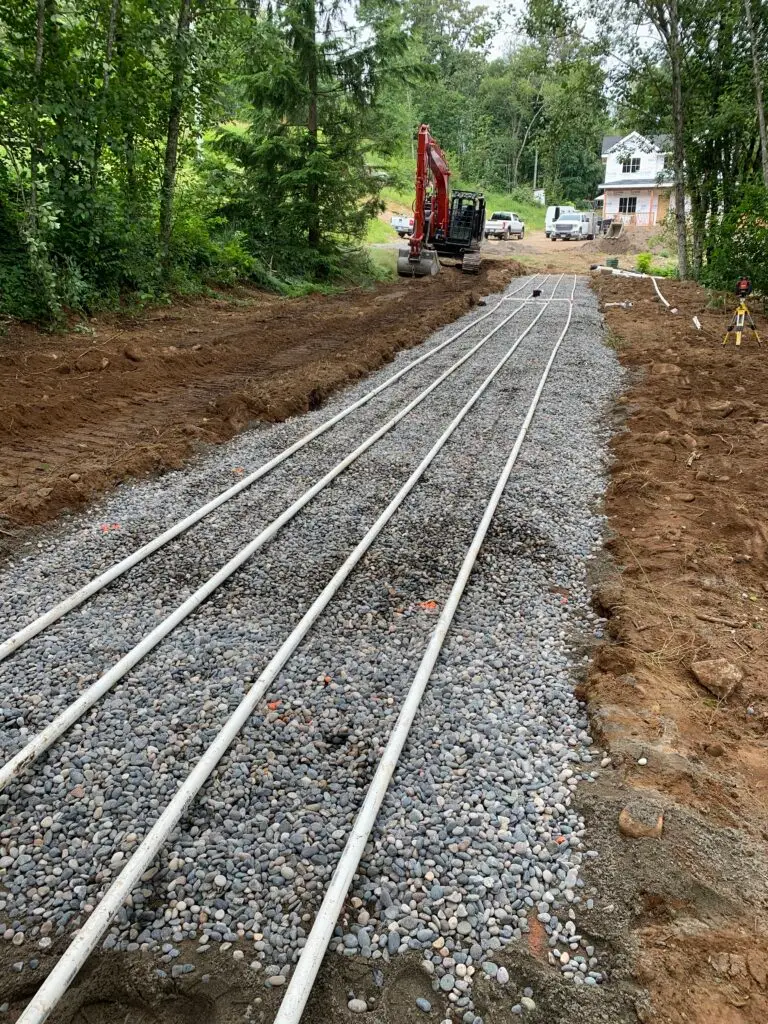
Septic beds work by utilizing natural processes to treat and disperse wastewater from your home. When wastewater leaves the septic tank, it enters the septic bed through a network of perforated pipes. These pipes are typically laid in gravel-filled trenches, which provide a stable environment for the effluent to spread out.
As the effluent flows through the gravel and into the surrounding soil, several processes occur. First, the gravel and soil act as physical filters, trapping larger particles and debris. Next, the soil’s natural microorganisms, such as bacteria and fungi, break down organic matter in the effluent. This biological treatment process is crucial for reducing the levels of harmful pathogens and nutrients in the wastewater.
Finally, the treated effluent continues to percolate down through the soil layers, where additional filtration and treatment occur. By the time the effluent reaches the groundwater, it has been significantly purified, making it safe for the environment. The efficiency of this treatment process depends on several factors.
Importance of Proper Septic Bed Maintenance
Maintaining your septic bed is essential for ensuring the long-term effectiveness of your septic system. Regular maintenance helps to prevent clogs, overloading, and other issues that can lead to system failure and costly repairs. One of the most important aspects of septic bed maintenance is regular inspection and pumping of the septic tank. The tank should be inspected regularly and pumped as needed, typically every three to five years.
In addition to regular tank maintenance, homeowners should also be mindful of what they put down their drains. Avoid flushing non-biodegradable items, such as wipes, feminine hygiene products, and grease, as these can clog the septic system.
Another crucial aspect of septic bed maintenance is protecting the area around the bed. Avoid driving or parking vehicles on the septic bed, as this can compact the soil and damage the system. Additionally, be cautious when planting trees or shrubs near the bed, as their roots can infiltrate the system. Regularly checking for signs of trouble, such as pooling water can help you catch issues before they become major problems.
Signs of a Failing Septic Bed
A failing septic bed can cause significant problems for your home and the environment. Recognizing the signs of a failing septic bed early can help you take action before the situation worsens. One of the most common indicators of a failing septic bed is the presence of standing water. This can occur when the soil becomes saturated and can no longer absorb the effluent.
Foul odors are another common sign of a failing septic bed. If you notice a strong sewage smell around your yard or near the septic bed, it may indicate that the system is failing. This can be caused by clogs, overloading, or damage to the pipes or trenches. Additionally, slow-draining sinks, toilets, and other plumbing fixtures can be a sign that your septic system is struggling.
Other signs of a failing septic bed include unusually lush grass around the bed, which can indicate that the effluent is not being properly filtered. If you notice any of these signs, give Herman a call at 604-795-0601.
Common Septic Bed Problems and Solutions
Several common problems can affect the performance of a septic bed, but many of these issues can be addressed with regular maintenance and prompt attention. A common problem is clogging of the pipes or trenches, which can occur when non-biodegradable materials enter the system. To prevent clogs, be mindful of what you flush and dispose of, and have your septic tank pumped regularly.
Another common issue is soil compaction, which can reduce the ability of the soil to absorb and filter the effluent. This can be caused by heavy vehicles driving over the septic bed or by natural soil settling over time. To prevent soil compaction, avoid driving or parking on the bed.
Tree root infiltration is another potential issue for septic beds. Tree roots can grow into the pipes and trenches, causing blockages and damage. To prevent this, avoid planting trees or shrubs with aggressive root systems near the septic bed. If you suspect root infiltration, contact a professional to assess the situation and recommend appropriate solutions, such as root barriers or pipe repairs.
Installing a New Septic Bed: What Homeowners Need to Know
If you need to install a new septic bed there are several important factors to consider. First, it is essential to conduct a thorough site evaluation to determine soil quality and the best location. This evaluation should be conducted by an ROWP and may include soil tests, percolation tests, and an assessment of the water table depth.
Once the site has been evaluated, the next step is to obtain any necessary permits and approvals from local authorities. Septic system regulations and permitting requirements can vary so it is important to familiarize yourself with the specific requirements in your area. Working with a licensed septic system installer can help ensure that your new septic bed meets all local codes and regulations.
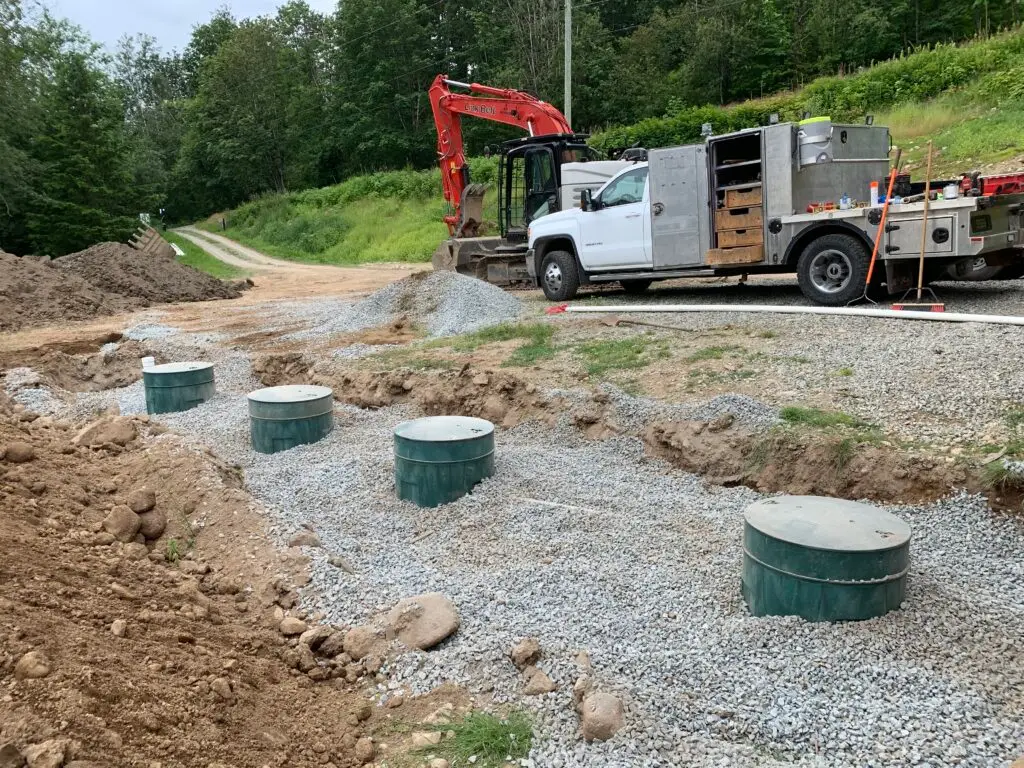
The actual installation of the septic bed involves excavating the trenches, laying the perforated pipes, and filling the trenches with gravel or other porous materials. Proper installation is critical for the long-term effectiveness of the septic bed, so it is important to work with an ROWP who can ensure that the system is installed correctly. Once the installation is complete, regular maintenance and monitoring are essential to keep the system functioning properly.
Septic Bed Regulations and Permits
Septic bed regulations and permit requirements can vary significantly depending on your location. These regulations are designed to protect public health and the environment by ensuring that septic systems are properly designed, installed, and maintained. You will need to obtain a permit from your local health department or environmental agency before installing a new septic system or making significant modifications to an existing system.
The permitting process involves submitting detailed plans for the proposed septic system, including information about the site, the design, and the expected wastewater load. You may also need to provide results from soil and percolation tests. Once your application is reviewed and approved, you will receive a permit that allows you to proceed with the installation.
In addition to obtaining a permit, you may also be required to have your septic system inspected during the installation process. These inspections help ensure that the system is functioning properly and that any issues are identified and addressed promptly. Working with a licensed ROWP can help you navigate the permitting process and ensure that your system complies meets standards.
Environmental Impact of Septic Beds
Septic beds play a crucial role in protecting the environment by treating wastewater in a way that minimizes the risk of contamination. When properly designed, septic beds can effectively remove harmful bacteria, viruses, and other pollutants from the wastewater, preventing them from reaching groundwater sources and surface water bodies. This helps to protect drinking water supplies and the health of aquatic ecosystems.
However, failing or poorly maintained septic beds can have significant negative impacts on the environment. When a septic bed becomes clogged, untreated or partially treated effluent can seep into the surrounding soil and contaminate groundwater. This can lead to the spread of waterborne diseases and the degradation of water quality. In some cases, contaminated groundwater can also contribute to the pollution of nearby rivers, lakes, and streams.
To minimize the environmental impact of your septic system, it is essential to follow best practices for maintenance and operation. This includes regular inspection and pumping of the septic tank, mindful water usage, and proper disposal of household waste. Additionally, being aware of the signs of a failing septic bed and addressing any issues promptly can help prevent contamination.
Tips for Extending the Life of Your Septic Bed
Extending the life of your septic bed involves a combination of regular maintenance, mindful water usage, and proactive problem-solving. One of the most important steps you can take is to have your septic tank inspected and pumped regularly. This helps to prevent the buildup of solids and sludge that can clog the pipes and trenches in the bed. We recommend having your tank pumped every three to five years, depending on the size of your household and your water usage habits.
In addition to regular maintenance, being mindful of what you put down your drains can help extend the life of your septic bed. Avoid flushing non-biodegradable items, such as wipes, feminine hygiene products, and grease, as these can clog the system and reduce its efficiency. Using water efficiently and spreading out high-water-usage activities, can also help to prevent overloading the septic bed.
Finally, protecting the area around your septic bed is essential for maintaining its effectiveness. Avoid driving or parking vehicles on the septic bed, as this can compact the soil and damage the system. Be cautious when planting trees or shrubs near the bed, as their roots can infiltrate and damage the system. Regularly checking for signs of trouble, such as pooling water or odors, can help you catch and address issues before they become major problems.
Conclusion: Ensuring a Healthy Septic System
Ensuring a healthy septic system requires a combination of proper design, regular maintenance, and mindful usage. By understanding how septic beds work, homeowners can take proactive steps to prevent problems and extend the life of their septic system. Recognizing the signs of a failing septic bed and addressing issues promptly can help to avoid costly repairs and protect the environment.
When installing a new septic bed, working with an ROWP (Registered Onsite Water Practitioner and obtaining the necessary permits can help ensure that the system is designed and installed correctly.
By taking these steps, homeowners can enjoy the benefits of a properly functioning septic system. With regular care and attention, your septic bed can provide reliable service for many years to come.
Have concerns about your septic bed? Call Herman or request a site visit.