

Choosing the right septic system size is crucial for optimal performance and maintenance. Let’s dive into the key factors that influence sizing and ensure your home is properly equipped.
Septic systems are an essential part of any home that isn’t connected to a municipal sewer system. They handle all the wastewater from your house, processing and filtering it before it’s safely returned to the environment. Because of this critical function, the size of your septic system plays a significant role in its efficiency and longevity. Using a system that’s too small can lead to frequent backups, premature wear and tear, and even environmental contamination. Conversely, an oversized system may incur unnecessary costs and maintenance challenges.
Proper septic system sizing ensures that the system can handle peak usage periods without overloading. This is particularly important for larger households or homes that frequently entertain guests. A system that is correctly sized will have the capacity to manage the volume of wastewater generated during these times, preventing the risk of overflows and ensuring the system operates smoothly. Additionally, a well-sized septic system can help you avoid costly repairs and replacements down the line.
Factors Influencing Septic System Size
Several factors influence the sizing of a septic system, each of which must be carefully considered during the planning and installation stages. One of the primary factors is the size of the household. The more people living in a home, the more wastewater will be produced, necessitating a larger septic system. This includes not just the number of permanent residents but also any frequent visitors or extended family members who may stay for long periods.
Another critical factor is the soil composition and percolation rate on your property. The type of soil affects how effectively wastewater can be absorbed and treated by the ground. Sandy soils with good drainage will require different system specifications compared to clay-heavy soils that drain slowly. A percolation test, often conducted by a professional, can determine the soil’s absorption rate and help in selecting the appropriate septic system size.
The type and number of plumbing fixtures in the home also influence the septic system size. Homes with multiple bathrooms, large bathtubs, high-efficiency toilets, and modern appliances like dishwashers and washing machines produce more wastewater. Additionally, the presence of a garbage disposal can significantly increase the amount of solid waste entering the system, necessitating a larger tank and leach field. All these factors should be taken into account to ensure the septic system can handle the household’s wastewater load effectively.
Common Septic System Sizes and Their Capacities
Septic systems come in various sizes, each designed to handle different volumes of wastewater. The most common sizes are based on the number of bedrooms in a home; a convenient indicator of the potential occupancy wastewater generation. For instance, a typical three-bedroom home may require a septic tank with a capacity of around 1,000 gallons. This size is generally sufficient to handle the daily wastewater flow from a household of four to six people.
Larger homes, such as those with four or five bedrooms, will necessitate bigger septic tanks, often in the range of 1,200 to 1,500 gallons. These systems are designed to accommodate the increased wastewater volume from additional occupants and plumbing fixtures. In some cases, particularly for homes with more than five bedrooms, septic systems with capacities of 2,000 gallons or more may be required. These larger systems ensure that even during peak usage periods, the septic system can efficiently process and treat the wastewater.
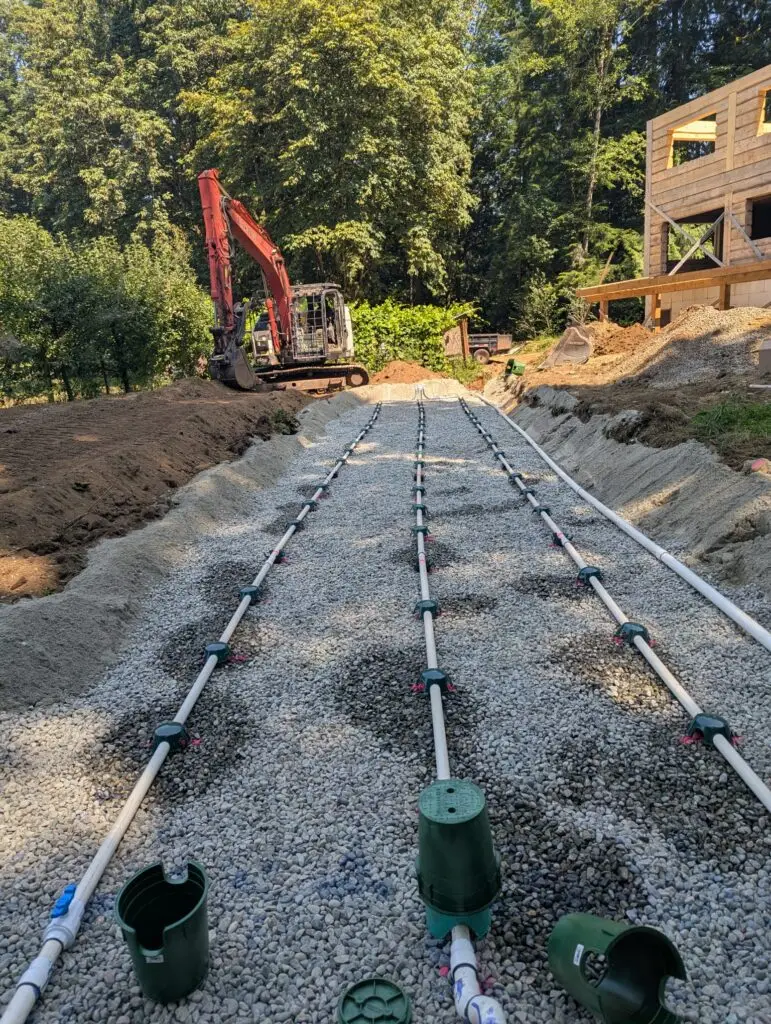
It’s also important to consider the leach field size, which correlates with the septic tank capacity. The drain field is an integral part of the system where the treated wastewater is dispersed into the ground. A larger septic tank will generally require a more extensive drain field to ensure proper treatment of effluent. The design and layout of the leach field must be carefully planned to prevent oversaturation and ensure long-term functionality.
Professional Help: When to Consult an Expert
While it’s possible to gain a basic understanding of septic system sizing through research, consulting a professional is highly recommended. Septic system design and installation involve numerous variables that require expert assessment. A professional ROWP can conduct necessary tests, such as soil percolation tests, to determine the best system size and type for your property. They can also navigate local regulations and permit requirements, ensuring your system complies with all legal standards.
Regular inspections and maintenance by a septic system professional are crucial for the long-term health of your system. Even a properly sized and installed system requires periodic checks to ensure it’s functioning correctly. A professional can identify early signs of trouble, such as slow drainage or unusual odors, and address them before they become major problems. By investing in expert consultation and ongoing maintenance, you can ensure your septic system remains reliable and efficient for years to come.
Conclusion and Key Takeaways
Understanding septic system sizes and the factors that influence them is essential for any homeowner relying on a septic system. Proper sizing is critical to ensure the system can handle the household’s wastewater load without overloading, which can lead to costly repairs and environmental contamination. Several factors, including household size, soil composition, and plumbing fixtures, must be considered when determining the appropriate septic system size.
By taking the time to understand the importance of septic system sizing and seeking the advice of a certified ROWP, homeowners can ensure their systems operate smoothly and efficiently.
Choosing the right septic system size is crucial for optimal performance and maintenance. Dive into the key factors that influence sizing and ensure your home is properly equipped.