
Types of Septic Tanks
Looking to install or upgrade your septic system? Dive into our complete guide on understanding different types of septic tanks and find the perfect fit for your needs!
Septic tanks come in various types, each suited to different needs, budgets, and soil conditions. The most common materials used for septic tanks are concrete, fiberglass, and plastic. Each material offers unique benefits and drawbacks, which we’ll explore in this section.
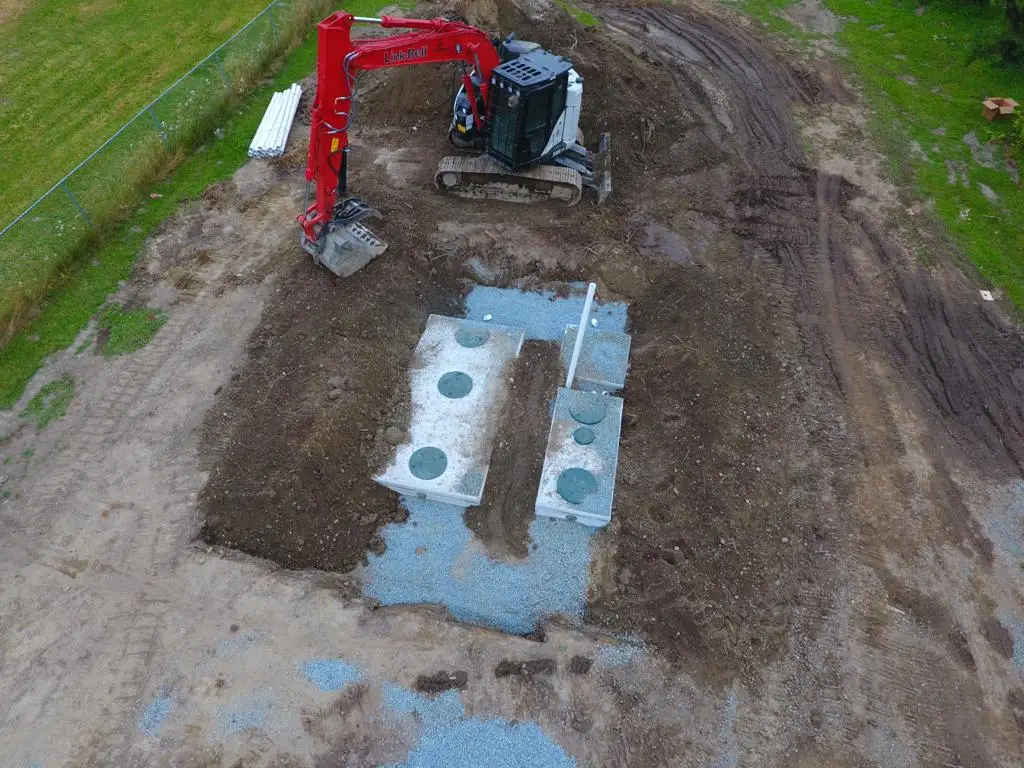
Concrete Septic Tanks
Concrete septic tanks are the most traditional and widely used type. Known for their durability and strength, these tanks can last for several decades if properly maintained. They are typically precast in factories and transported to the installation site. Concrete tanks are less likely to float when installed in high water table areas, making them suitable for a wide range of soil conditions.
However, concrete tanks are also heavy, requiring specialized equipment for transportation and installation. They are susceptible to cracking over time due to ground movements or improper installation. Cracks can allow wastewater to leak, leading to contamination of surrounding soil and groundwater.

Photo courtesy of Canwest Tanks one of our dependable tank suppliers.
Fiberglass Septic Tanks
Fiberglass septic tanks are a popular alternative to concrete tanks, offering several advantages. They are lighter and easier to transport and install, reducing labor costs. Fiberglass is resistant to rust and corrosion, which means these tanks can last as long as or even longer than concrete tanks without deteriorating. Their non-porous surface also prevents algae and bacteria from adhering, making them easier to clean.
Despite these benefits, fiberglass tanks can be more expensive upfront than concrete or plastic tanks. They are also more prone to shifting in the ground, especially in high water table areas, which can lead to potential damage if not properly anchored.
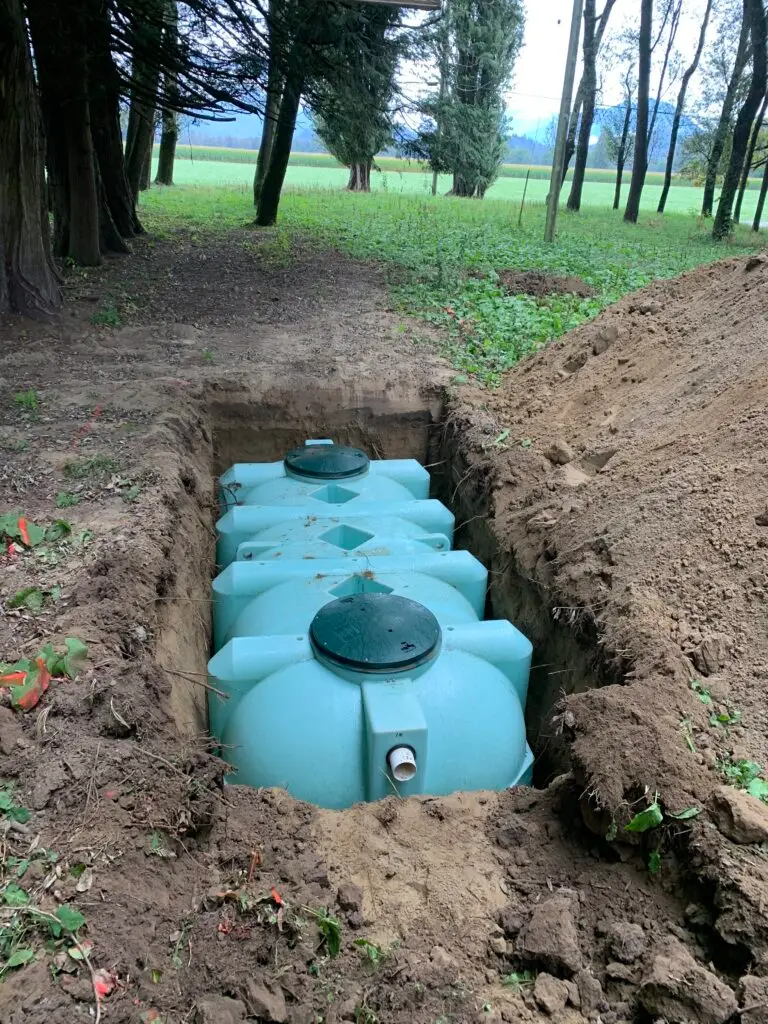
Plastic Septic Tanks
Plastic septic tanks are the lightest and often the most cost-effective option. Made from polyethylene, these tanks are resistant to cracking and corrosion. Their lightweight nature makes them easy to transport and install, even in hard-to-reach areas. Plastic tanks are also less likely to suffer from root intrusion compared to concrete tanks.
However, plastic tanks are not as durable as concrete or fiberglass tanks and may be more susceptible to damage from heavy machinery or extreme weather conditions. They are also more prone to floating in high water table areas, which can cause them to shift and potentially disconnect from plumbing systems.
Choosing the Right Septic Tank for Your Property
Choosing the right septic tank for your property involves several factors, including soil conditions, budget, and household size. Before making a decision, it’s essential to conduct a thorough site assessment to determine the most suitable type of septic tank for your needs.
Every property is different and choosing between concrete, fibreglass and plastic tanks isn’t always straightforward. We can explain your options, answer your questions and recommend the best system for your site and budget.